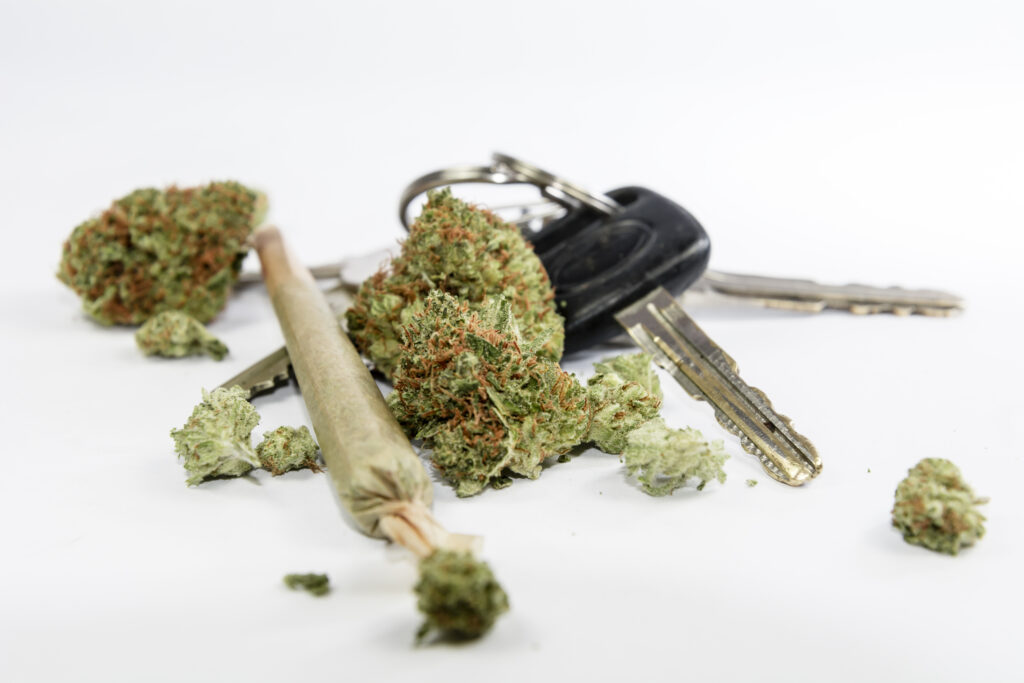
Getting pulled over is stressful enough. Being charged with a marijuana DUI can be confusing, especially because Georgia does not use a specific THC concentration to establish marijuana impairment.
A marijuana DUI charge threatens more than a single court date. Your driver's license, your criminal record, and your ability to work can all be affected by how this case is resolved. Having an attorney who understands exactly how Georgia's marijuana DUI laws work, and where they leave real room for a defense, matters from the moment you are charged.
The Ozer Law Firm’s DUI defense attorneys represent clients throughout Savannah facing marijuana DUI charges. Call us today at (305) 788-0187 for a free consultation.
Increased DUI Enforcement Across Georgia and What It Means for Drivers
DUI enforcement campaigns and sobriety checkpoints may increase the number of traffic stops and DUI investigations in Georgia. During any stop, an officer may rely on driving behavior, physical observations, statements, and field sobriety testing when deciding whether to make an arrest. Whether those observations were reliable and obtained lawfully can be important in a defense.
Georgia Laws Surrounding Marijuana, Cannabis, & Weed
Possession of marijuana remains generally illegal under Georgia law. Georgia does, however, permit qualifying registered patients to possess limited amounts of low-THC oil, subject to the requirements of the state’s medical cannabis program.
Separately, Georgia allows the sale of legal hemp products, including certain Delta-8 products, provided they meet the state's THC concentration limits for hemp. This layered legal landscape, illegal marijuana, limited legal medical marijuana, and legal hemp-derived products, creates real confusion for drivers and, at times, for law enforcement trying to determine what a driver actually used.
How Cannabis DUI Charges Work in Georgia
Georgia's DUI statute allows a charge based on being under the influence of marijuana to the extent it is less safe for the person to drive, rather than relying on a specific measured limit the way alcohol-related DUI charges do.
How Georgia Measures Impairment Without a THC Limit
Because Georgia has not established a specific per se THC limit for driving, prosecutors generally rely on officer observations, field sobriety test performance, and, in some cases, a blood test showing the presence of THC, combined with other evidence suggesting impairment.
This means the prosecution's case often depends heavily on subjective observations rather than a clear, objective number, which can create real opportunities for a defense attorney to challenge the state's evidence.
When THC in Your System Leads to a Charge Days Later
THC may remain detectable after its impairing effects have ended, particularly depending on the type of test, frequency of use, and the individual. A positive THC result may be used as evidence in a DUI case, but it does not by itself establish that a driver was impaired or less safe to drive at the time of the stop. Prosecutors must still prove impairment beyond a reasonable doubt.
The Impact of Legal Hemp and Delta-8 Products
Legal hemp-derived products, including some Delta-8 products, can complicate marijuana DUI allegations. Depending on the substance and testing method, use of a hemp-derived product may be relevant to how the State interprets test results.
However, lawful possession or purchase of a product does not permit impaired driving. The central question in a marijuana DUI case is generally whether the evidence proves the driver was under the influence to the extent they were less safe to drive.
Penalties for a Marijuana DUI Conviction in Georgia
A marijuana DUI conviction in Georgia can carry many of the same criminal and licensing consequences as other DUI convictions.
For a first conviction, potential penalties may include 10 days to 12 months of confinement, with at least 24 hours to be served in custody; a $300 to $1,000 fine; 12 months of probation, less time served; at least 40 hours of community service; and completion of a DUI/Alcohol or Drug Use Risk Reduction Program. A court may also require a clinical evaluation and any recommended treatment. Driver’s license suspension and reinstatement requirements may apply.
Penalties increase for repeat DUI convictions within a 10-year period.
A second conviction can include at least 72 continuous hours in custody, a $600 to $1,000 fine, and at least 30 days of community service.
A third conviction within 10 years is a high and aggravated misdemeanor and can include at least 15 days in custody, fines of $1,000 to $5,000, and at least 30 days of community service.
A fourth or subsequent conviction within 10 years is generally a felony and can carry 1 to 5 years of imprisonment, a $1,000 to $5,000 fine, and at least 60 days of community service. The exact outcome depends on the charge, prior record, and circumstances of the case.
Building a Defense Against a Marijuana DUI Charge
Several defense strategies may apply depending on the specific facts of your case, including:
- Challenging the legality of the initial traffic stop
- Questioning the administration and reliability of field sobriety tests
- Disputing whether a positive THC test actually reflects impairment at the time of driving rather than past use
- Examining whether legal hemp-derived products, medication, testing limitations, or other factors affect the interpretation of toxicology evidence
Because a marijuana DUI case may turn on the officer’s observations, the reliability of testing, and whether the evidence shows actual impairment, a careful review of the stop and investigation is essential.
Why Choose The Ozer Law Firm for Your Cannabis DUI Charge
Jennifer L. Ozer founded The Ozer Law Firm in 2015 to provide the close, personal representation that clients often do not receive at larger firms. Her approach combines compassionate support with candid, straightforward advice and aggressive criminal defense advocacy.
In a marijuana DUI case, Attorney Ozer can evaluate the legality of the stop, the officer’s observations, field sobriety testing, toxicology evidence, and other facts that may affect the State’s ability to prove impairment. She works with each client to assess the available options and build a defense strategy suited to the circumstances of the case.
Contact Our Marijuana DUI Lawyer Today
If you are facing a marijuana DUI charge in Savannah, do not wait to get legal guidance. Contact The Ozer Law Firm at (305) 788-0187 for a free consultation, and let our DUI and criminal defense attorneys help you understand your options.
Georgia Marijuana DUI FAQs
Is There a Legal THC Limit for Driving in Georgia?
No. Georgia does not use a specific THC concentration to establish marijuana impairment for DUI purposes. Instead, the State generally must prove that the driver was under the influence of marijuana to the extent they were less safe to drive.
Can You Get a Marijuana DUI From Legal Hemp or Delta-8 Products in Georgia?
Possibly. The effects of hemp-derived products and the type of test used can be relevant in a DUI investigation. But a lawful product is not a defense to driving while impaired; the State must still prove that the driver was under the influence to the extent they were less safe to drive.
Do Medical Marijuana Cardholders Face DUI Charges in Georgia?
Yes. A low-THC oil registry card or other lawful access to a cannabis-related product does not authorize driving while impaired. The State must still prove that the driver was under the influence to the extent they were less safe to drive.
What Are the Penalties for a First Marijuana DUI in Georgia?
A first marijuana DUI conviction can involve jail or confinement, fines, probation, community service, DUI/Alcohol or Drug Use Risk Reduction Program requirements, and driver’s license consequences. The sentence and license impact depend on the circumstances of the case and the person’s record.
Is Marijuana Legal in Georgia?
Recreational marijuana remains illegal in Georgia. Qualifying registered patients may possess limited low-THC oil under Georgia’s medical cannabis program. Georgia also regulates certain hemp-derived consumable products, but the rules governing their sale and composition are separate from the state’s marijuana laws.